Where you stay in Malta shapes your entire trip. The island is small enough to reach anywhere within an hour, but your base determines what you wake up to, what you pay, and how you experience daily life. Three areas attract the most visitors: Sliema for its modern seafront, Valletta for its baroque grandeur, and the Three Cities for something older and less polished.
This guide is part of our complete guide to the Three Cities of Malta — Birgu, Bormla and Senglea.
This is an honest comparison. All three have genuine strengths, and the right choice depends on what kind of holiday you want. We live in the Three Cities — so we know that side best — but we’ll tell you when Sliema or Valletta might suit you better.
Sliema — the modern seafront
Sliema is where most first-time visitors end up, and for good reason. The seafront promenade stretches for kilometres, lined with shops, restaurants, and modern apartment blocks. Step outside and you can immediately eat, shop, swim off the rocks, or take a harbour cruise — Sliema delivers without planning.
The restaurant scene covers everything from Maltese fish to sushi. Nightlife is a short bus ride away in St Julian’s. The ferry to Valletta runs regularly. There are no sandy beaches, but the rocky swimming spots are popular, and lido clubs offer pools and sunbeds on the water.
The trade-offs: Sliema is busy and traffic-heavy, especially in summer. Accommodation prices are among the highest on the island. Construction is ongoing in several blocks. And while convenient, it doesn’t feel particularly Maltese — you could be on any Mediterranean seafront.
Best for: First-timers wanting convenience, shopping lovers, families who prefer modern apartments near the water.
Consider: If you want Maltese character or quiet evenings, Sliema may feel generic. Parking is expensive. Budget travellers will find better value elsewhere.
Valletta — the baroque capital
Valletta is one of Europe’s most concentrated capitals — the entire city is a UNESCO World Heritage Site. Built by the Knights of St John after the Great Siege of 1565, it packs baroque churches, palaces, museums, and fortifications into a peninsula smaller than most town centres.
Staying here means St John’s Co-Cathedral, the Grandmaster’s Palace, MUZA art museum, and a growing restaurant scene all within walking distance. Republic Street offers good shopping, and Upper Barrakka Gardens provides one of the Mediterranean’s best viewpoints — straight across to the Three Cities.
The downsides are practical. Accommodation is compact and pricey. There’s no beach. Parking inside the walls is extremely limited. On cruise ship days, the centre fills with day-trippers between 10am and 3pm. Evenings can be very quiet — some streets empty completely after dark.
Best for: Culture enthusiasts, short stays of two to three nights, couples celebrating something special, and luxury seekers who value architecture over beach access.
Consider: Longer stays can feel limiting. Grocery shopping is inconvenient. If you want a car for day trips, parking adds daily stress.
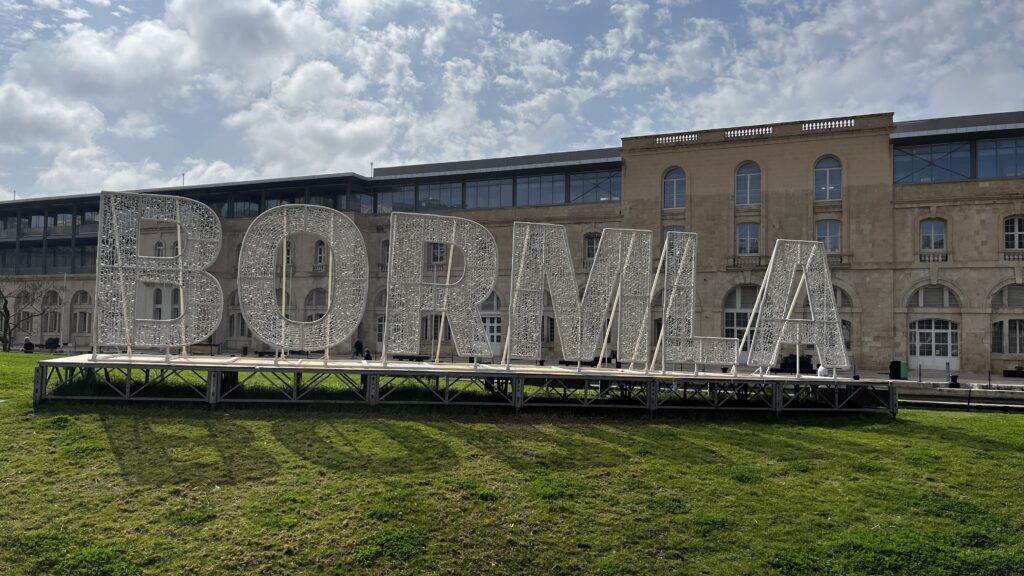
Three Cities — the authentic harbour towns
Birgu, Bormla, and Senglea — collectively the Three Cities, or Cottonera — sit on the opposite side of the Grand Harbour from Valletta. The Knights of St John established their first headquarters here, and the fortifications that wrap around the towns are among the most complete military walls in Europe. But what makes the Three Cities different as a holiday base isn’t the history you can read about — it’s the history you can feel in daily life.
These are residential towns. Neighbours talk on doorsteps. Parish feast banners hang between balconies. Bakeries sell pastizzi for under a euro. The Tuesday street market along the Cottonera Lines stretches for 700 metres and is entirely for locals — no souvenir stands. When you stay here, you’re not visiting Malta; you’re living in it, even if only for a week.
Each town has its own character. Birgu (Vittoriosa) has the most polished waterfront — restaurants, wine bars, a marina where superyachts sit next to fishing boats. Senglea (Isla) is the quietest, with the best views from the Gardjola Gardens. And Bormla (Cospicua) is the largest and most lived-in, with free parking, the best bus connections, and more space for less money.
Magdalena is a restored 19th-century townhouse on a quiet street in Bormla — original limestone, timber beams, encaustic tiles. Five minutes’ walk from the ferry to Valletta. A self-catering base in the harbour towns that started Malta’s story.
The trade-offs: fewer restaurants within immediate walking distance, no shopping strip, and nightlife means a ferry to Valletta or a bus to St Julian’s. If you want everything on your doorstep, Sliema is easier.
Best for: Couples looking for somewhere quieter and more authentic, history lovers, budget-conscious travellers who want character without the tourist markup, and anyone who prefers a traditional Maltese house holiday to a hotel room.
Consider: If you need busy nightlife, beach access on foot, or a wide choice of restaurants within a two-minute walk, the Three Cities may feel too quiet — especially in the evening.
The practical comparison
Price: Three Cities offer the best value — lower nightly rates for comparable quality, and restaurants priced for locals rather than tourists.
Transport to Valletta: The harbour ferry takes ten minutes at around €1.50 — faster than the bus from Sliema, and without the parking headache of staying in Valletta itself.
Parking: Free and easy in Bormla. Difficult and expensive in Valletta. Frustrating in Sliema. If you plan to rent a car, the Three Cities are simplest.
Beaches: None of the three areas has a sandy beach. Sliema has rock swimming and lidos. From the Three Cities, Pretty Bay and Delimara are a fifteen-minute drive.
Restaurants: Sliema has the most variety. Valletta has the best fine dining. The Three Cities have fewer options, but Birgu’s waterfront is excellent — and cheaper.
Atmosphere: Sliema is modern and cosmopolitan. Valletta is grand and museum-like. The Three Cities are residential and real. No wrong answer — only the right one for you.
So which one?
If this is your first time in Malta and you want everything within arm’s reach — restaurants, shopping, swimming, nightlife nearby — Sliema is the safe choice. You’ll pay more and get less character, but you won’t have to plan anything.
If you’re coming for a short cultural break and want to be immersed in baroque architecture, museums, and fine dining — Valletta is hard to beat. Just be prepared for higher prices, limited space, and no beach.
If you want to experience Malta as Maltese people live it — quieter streets, lower prices, genuine community, with Valletta ten minutes away by ferry whenever you want it — the Three Cities are the choice that most visitors never consider and rarely regret.
We chose to restore a house in Bormla for a reason. It’s the Malta we fell in love with, and it’s the Malta our guests keep coming back to.
Stay in the Three Cities
Magdalena is a restored Maltese townhouse in the heart of Bormla — original limestone, timber beams, and encaustic tiles. Book directly for the best rate, no platform fees.
Stay at Magdalena
A restored 400-year-old townhouse in the heart of Bormla — ten minutes by ferry from Valletta, sleeping up to three. Book direct and save up to 15% — no booking fees, best-rate guaranteed.
Owned & run by Christine & Dick · confirmed within 24 hours