Malta is barely 27 kilometres end to end, but it packs in more history and coastline per square kilometre than anywhere else in the Mediterranean. Five days is enough to cover the essentials, and the Three Cities are the ideal base to do it from.
This guide is part of our complete guide to the Three Cities of Malta — Birgu, Bormla and Senglea.
Staying in Bormla puts you at the heart of the island. Valletta is ten minutes by ferry. The south coast is twenty minutes by car. Mdina and the northern beaches are thirty. You are not on the edge of anything — you are in the middle of everything, in a place most tourists never discover.
This itinerary starts local, works outward, and brings you back to the Magdalena waterfront each evening. Adjust freely — Malta rewards the unplanned detour as much as the ticked-off sight.
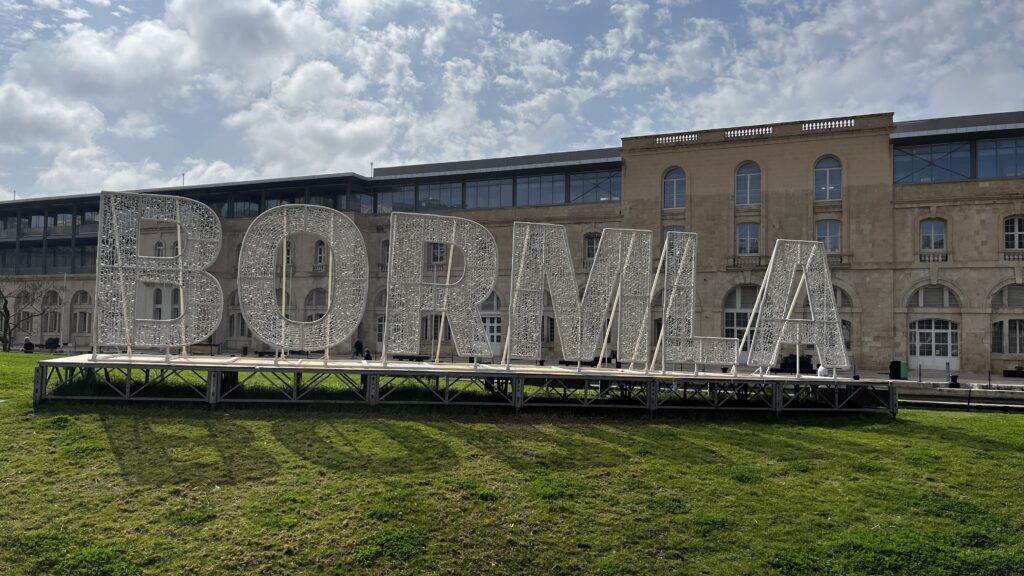
Day 1 — The Three Cities
Start where you are. The Three Cities deserve a full day before you venture further. No car, no bus — just comfortable shoes and curiosity.
Morning: Walk into Birgu (Vittoriosa) — ten minutes through the old streets. Fort St Angelo at the tip of the peninsula was headquarters of the Knights from 1530; allow at least an hour for the restored fort and its harbour views. On the way back, stop at the Inquisitor’s Palace, then lose yourself in the Collachio — the medieval quarter where the Knights lived.
Lunch: Terrone inside Fort St Angelo for Mediterranean food with harbour views, or Don Berto on the Birgu waterfront for wood-fired pizza with the marina in front of you.
Afternoon: Walk the shoreline from Birgu to Senglea. At the tip, Gardjola Gardens and its vedette watchtower offer a panoramic sweep across the Grand Harbour to Valletta. Be here at sunset.
Evening: Dinner at Enchante in Senglea — candlelit, seasonal menu, book ahead. Walk home along the harbour afterward. The Three Cities at night, with Valletta lit up across the water, is something you will remember long after the temples and beaches blur together.
Day 2 — Valletta
Walk to the Cospicua ferry terminal — five minutes from Magdalena’s door — and cross to Valletta. Ten minutes, a couple of euros, and you arrive at the foot of the city with the bastions towering above you.
Morning: St John’s Co-Cathedral first. Plain limestone outside; inside, every surface explodes with Baroque gilding, the Knights’ tombstones beneath your feet. Caravaggio’s “Beheading of St John the Baptist” hangs in the oratory — the only painting he ever signed. Worth the trip to Malta on its own. Then the Grand Master’s Palace on Republic Street.
Late morning: Upper Barrakka Gardens for the harbour view and, if your timing is right, the noon cannon salute. Lower Barrakka Gardens is quieter and overlooks Fort St Angelo where you were yesterday — the perspective reversal is striking.
Lunch: Mercato in Merchant Street — a converted market hall with food stalls, good for something quick. Or sit down on Strait Street (once the red-light district, now the restaurant row) and watch the city pass.
Afternoon: Fort St Elmo tells the story of the Great Siege of 1565 — the battle that made the Knights famous and led to Valletta being built. The National Museum of Archaeology on Republic Street holds Neolithic temple finds older than the pyramids. After that, put the map away — the side streets reward wandering.
Evening: Stay for the dusk light on the limestone, then take the ferry back. The return crossing — Three Cities lit up ahead, Valletta glowing behind — is one of Malta’s quiet pleasures.
Day 3 — Mdina, Rabat & the South
Today you need a car. Rent one for days three and four — you will not need it otherwise. Pick up early and head inland.
Morning: Mdina — Malta’s ancient capital, fortified and silent on a hilltop. No cars inside the walls, a population of three hundred. Walk the ramparts for views to every coast. The Cathedral of St Paul is small but beautiful, its marble floor paved with noble tombstones. After that, simply wander.
Before you leave, stop at Fontanella Cafe on the bastion wall. The cakes are famous across Malta, and you eat them with a view that drops away to half the island. Firmly on the tourist trail, but the view earns its reputation.
Late morning: Step outside the walls into Rabat. St Paul’s Catacombs — underground Roman burial chambers from the 3rd century — are cool, quiet, and a welcome break from the sun.
Afternoon: Drive south to Dingli Cliffs — Malta’s highest point, dropping two hundred metres to the sea. Then on to the Blue Grotto near Wied iz-Zurrieq: small boats take you into sea caves where the light refracts in luminous blues. Twenty-five minutes, weather permitting.
If you still have energy, Hagar Qim and Mnajdra temples are ten minutes further along the coast — Neolithic complexes older than the pyramids by a thousand years. The clifftop setting, with the island of Filfla offshore, is dramatic.
Evening: Back to Bormla. After temples, cliffs, and caves, the waterfront bars in Birgu make a low-key ending.
Day 4 — North & Beaches
Keep the rental car. The north coast is where Malta does beaches — modest compared to the Greek islands, but with a rugged charm that grows on you.
Morning: Golden Bay — Malta’s widest sandy beach. Arrive early in summer. Over the headland, Ghajn Tuffieha is harder to reach — a staircase cuts down to red sand set into the cliffs. If you swim at one beach in Malta, make it this one.
Late morning: Popeye Village in Anchor Bay — the 1980 film set, now a small theme park. Even if you skip going in, the bright wooden buildings against the limestone cliffs make a fun photo stop.
Afternoon: Mellieha Bay for a long swim — Malta’s largest beach, with shallow water that stays knee-deep forever. Or drive up to the Red Tower on Marfa Ridge for views across Gozo, Comino, and the Blue Lagoon.
Evening: Seafront dinner in St Paul’s Bay or Bugibba — more touristy, but good fresh fish. Drive back to Bormla and return the car.
Day 5 — Marsaxlokk & Temples
Your last day stays close — easy reach from the Three Cities by bus or taxi, and a gentler pace to finish.
Morning: Marsaxlokk. If your trip includes a Sunday, save this day for it — the fish market transforms the harbour into a sprawling bazaar. Fishermen sell the morning catch from their boats, and the quay is lined with luzzu — brightly painted fishing boats, each with the Eye of Osiris on the bow. Weekdays are quieter but still worth the trip.
Lunch: The restaurants lining the harbour serve the day’s catch — lampuki in season, swordfish, octopus. Pick a waterfront table, order whatever the waiter recommends, and take your time. This is one of the best meals of your trip.
Afternoon: Tarxien Temples — fifteen minutes from Marsaxlokk, a short bus ride from Bormla. This UNESCO World Heritage complex dates to around 3150 BC, older than Stonehenge, with some of the most elaborate Neolithic stonework found anywhere. Compact and open-air; half an hour to an hour is enough.
If you booked the Hypogeum, this is the day. The Hal Saflieni Hypogeum — an underground burial hall carved from rock around 4000 BC — is one of the most extraordinary sites in the world. Only eighty visitors per day; book through Heritage Malta the moment you confirm your dates. No slot? The Tarxien visitor centre fills in the story.
Evening: Return to the Three Cities. Walk the waterfront one more time, find a harbour bar, watch the lights come on across Valletta. This is the evening you will think about when someone asks you about Malta — warm stone, still water, and the feeling of being exactly where you should be.
Practical Tips
Car rental: Only needed for days three and four. Driving is on the left, roads are narrow, local habits creative. Do not try to park in the Three Cities.
Buses: Pick up a Tallinja card at the airport or any kiosk for discounted fares. The number 3 connects the Three Cities with Valletta, and routes run south to Marsaxlokk and north to Mellieha. Reliable if not always punctual.
The Hypogeum: Book the moment you know your dates. Tickets are released about two months ahead and sell out fast. Heritage Malta’s website is the only official source — ignore resellers.
Shoes: Malta is all stairs and cobblestones. Every town is on a slope, every pavement is uneven limestone. Comfortable, sturdy shoes are non-negotiable — save the sandals for the beach.
Sun and water: From May to October, the sun is serious. Carry water, wear sunscreen, and time outdoor sightseeing for mornings and late afternoons. Midday in July and August is best spent at the beach, in a museum, or under a restaurant awning.
Why base yourself here: Valletta is ten minutes by ferry, the south coast twenty by car, the north thirty. Every point on the island is within forty-five minutes, and you come home each evening to a real neighbourhood. Our where to stay guide covers the differences between Birgu, Bormla, and Senglea.
Your base in the Three Cities
Magdalena is a restored traditional Maltese townhouse in the heart of Bormla — five minutes from the Valletta ferry, ten from Fort St Angelo, and perfectly placed for every day of this itinerary. Book directly for the best rate, no platform fees.
Stay at Magdalena
A restored 400-year-old townhouse in the heart of Bormla — ten minutes by ferry from Valletta, sleeping up to three. Book direct and save up to 15% — no booking fees, best-rate guaranteed.
Owned & run by Christine & Dick · confirmed within 24 hours